
- EN
Select Language
- Search
Detailed search: You can do a detailed search by keyword, genre, time, area and tag.
- Share this page
Share this page
- FAVORITES
Main content starts here.
- Visit Tokyo |
- SPOT |
- Eastern Tokyo |
- A guide to Asakusa - an area of true Japanese tradition |
- Take a stroll through Asakusa to explore Edo culture
Updated: March 30, 2026
Take a stroll through Asakusa to explore Edo culture
Your current location:
- Eastern Tokyo
- Asakusa
- Take a stroll through Asakusa to explore Edo culture
Asakusa, which developed as the temple town of Sensoji Temple, blends together religious tradition and the lively spirit of its residents.
Even as the times change, it continues to draw people with its enduring charm. As you stroll through Asakusa, you can feel how both entertainment and tradition are carried on from the Edo period (1603-1867).
Tips
- Experience Asakusa’s culture through activities along the river, religion, and entertainment
- Discover Asakusa’s history, carried forward from the Edo period to today
- Enjoy the timeless Edo culture of Asakusa
(1) Begin your Asakusa journey with a yakatabune river cruise
During the Edo period, rivers served not only as major transport routes but also rare leisure spots. In Asakusa at the time, lavishly decorated yakatabune (traditional pleasure boats) were popular, and some were so large that they required as many as eighteen boatmen to operate. Today, you can hop on a yakatabune in Asakusa and savor the Edo-period atmosphere on the water.
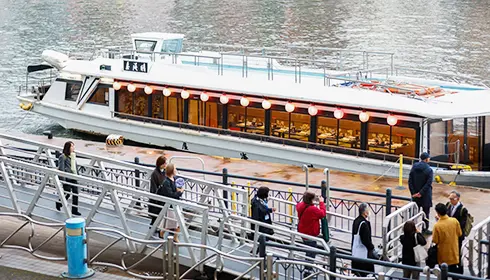 Yakatabune
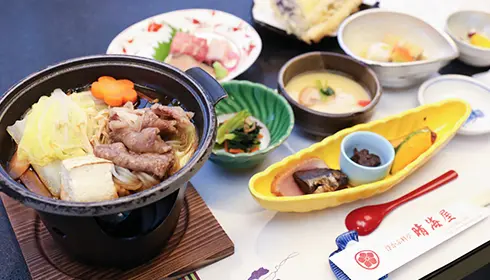 Special set meal with Edo-style dishes (reservation required; available for groups of 25 or more). * Dishes vary by season.
Harumiya’s yakatabune offers Edo-style cuisine on board. Edo-style cuisine refers to dishes rooted in the food culture of the city of Edo (present-day Tokyo), where seafood from Tokyo Bay and vegetables grown in the surrounding regions are traditionally prepared using miso, rice wine, and soy sauce. Experience the taste of life in Edo by enjoying classic menu items such as tempura, sukiyaki, and simmered clam rice, as well as seasonal Edo-style dishes made with fresh ingredients on board.
(8 minutes on foot)
(2) Sensoji Temple, the symbol of Asakusa
Sensoji Temple has been revered by many since the Edo period. It remains a central presence in Asakusa and reflects the history of how this temple town developed. Annual events, including Honzon Jigen-e (Celebration of the Appearance of the Bodhisattva Kannon) and the Year-end Fair (Hagoita Market), are held at various times throughout the year.
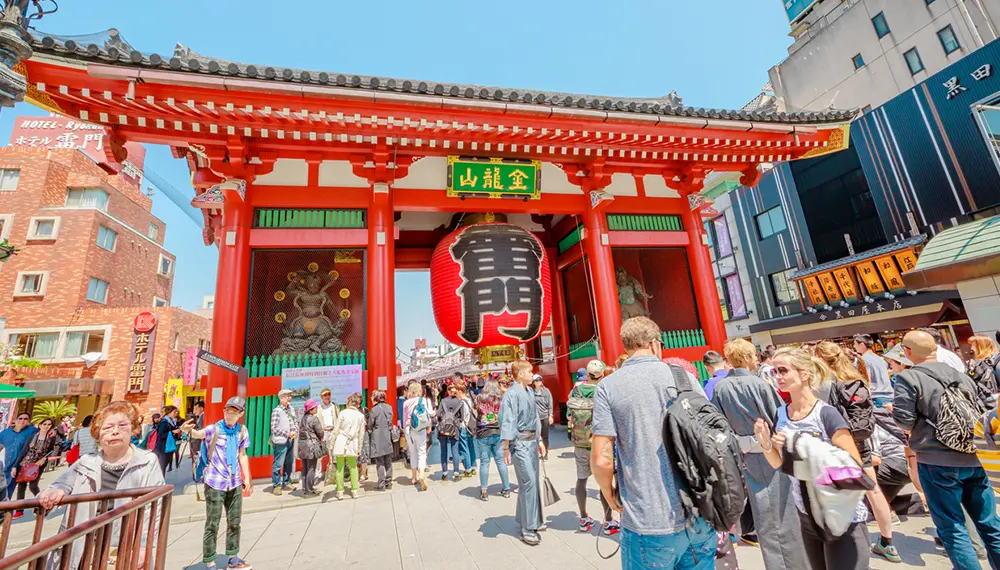
photo: iStock
(1 minutes on foot)
(3) Asakusa Hanayashiki, Japan’s oldest amusement park
Asakusa Hanayashiki, known as the oldest amusement park in Japan, began in the late Edo period as a botanical garden featuring peonies and chrysanthemums. Shaped by the exhibition culture of the Edo period and the lively atmosphere in the area, the park still reflects the spirit of people who sought entertainment in those days.
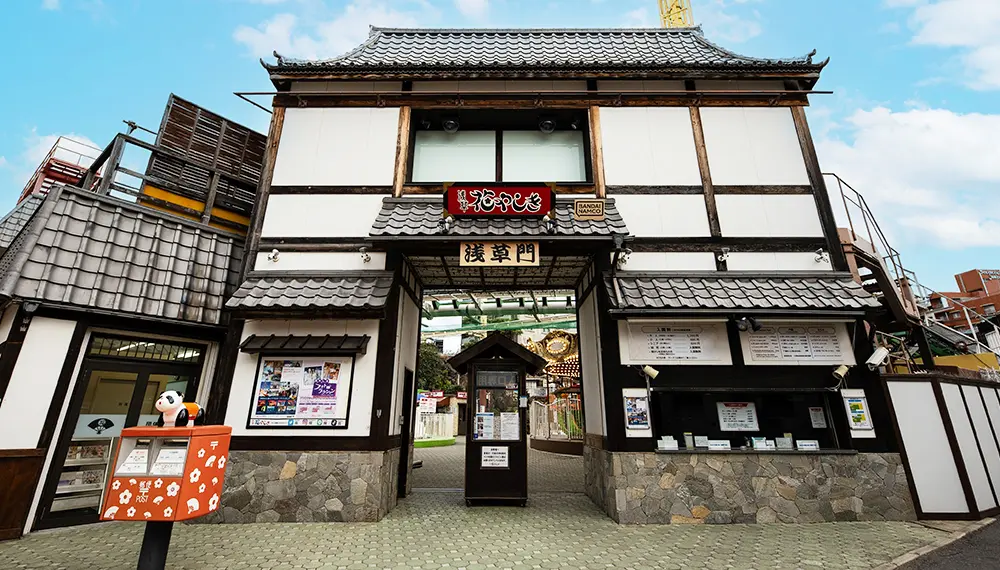
Asakusa Hanayashiki
(2 minutes on foot)
(4) Experience traditional performances in the Asakusa Rokku District
Asakusa, which has attracted people since the Edo period as the temple town of Sensoji, saw its Rokku District develop into one of Tokyo’s major entertainment districts during the Meiji and Taisho periods, featuring playhouses, storyteller theaters, and movie theaters. This area offers a glimpse into Asakusa’s entertainment culture, which evolved over time from its roots as a temple town. Broadway Rokku at Asakusa View Hotel Annex Rokku hosts a variety of events where visitors can experience traditional performing arts and cultural activities from the Edo period, including traditional Japanese instrument performances and traditional dances by the Asakusa geisha, all available for a fee.
The river cruise, the area around the temple, and the entertainment district—By experiencing what each part of Asakusa offers, you can more vividly imagine the lives and entertainment enjoyed by the people of Edo. Explore the timeless charm of Asakusa for yourself.
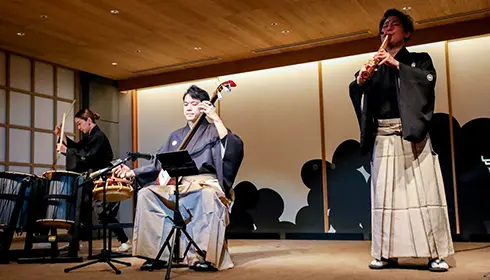 Traditional Japanese instrument performance at Broadway Rokku
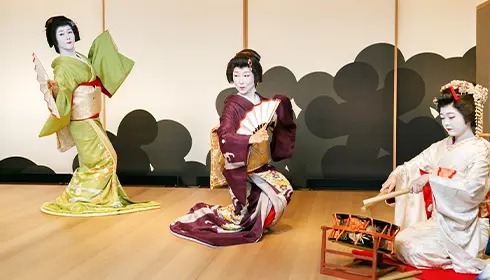 Dance performance by the Asakusa geisha at Broadway Rokku


Copyright © Tokyo Convention & Visitors Bureau. All rights reserved.